
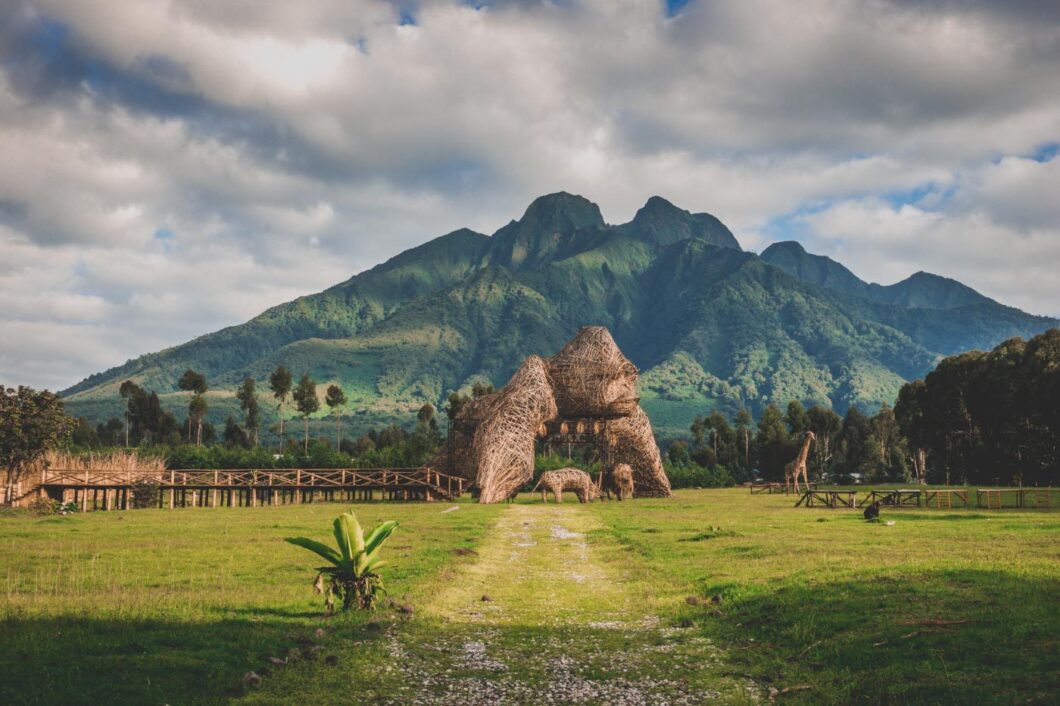
Almost everyone who books a trip to Rwanda’s Volcanoes National Park comes for one thing: a single, breathless hour sitting a few metres from a family of wild mountain gorillas. It deserves the hype. But spend your whole visit chasing only that hour and you’ll drive past some of the most rewarding hiking, primate tracking, birding, and cultural experiences in East Africa without stopping.
This guide covers what Volcanoes National Park (locally, Parc National des Volcans) actually offers beyond the gorillas — the volcanoes you can climb, the golden monkeys, the hike to Dian Fossey’s grave, the birds, and the community that turned former poachers into conservation guides. If you’re weighing whether the park is worth more than a one-day stop, the short answer is yes, and here’s exactly why.
Where is Volcanoes National Park, and what makes it special?
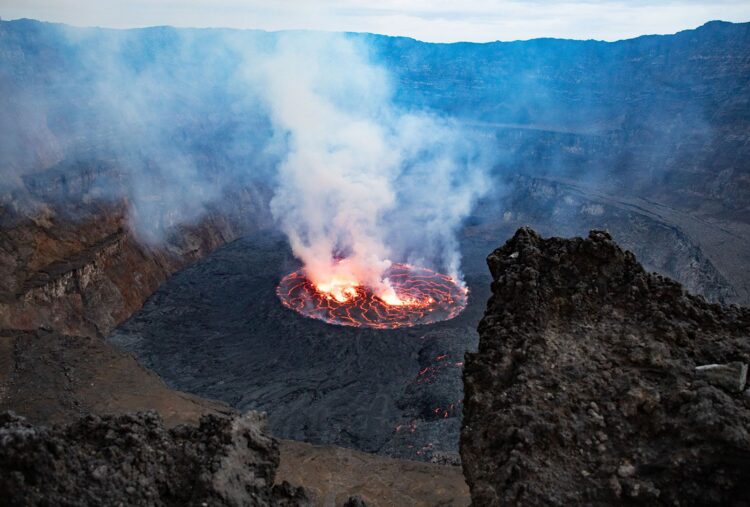
Volcanoes National Park sits in northwestern Rwanda, in the Musanze district, roughly a two-to-three-hour drive from the capital, Kigali. It protects the Rwandan slice of the Virunga Massif — a chain of eight volcanoes straddling the borders of Rwanda, Uganda, and the Democratic Republic of Congo. On the other side of those borders lie its sister parks: Virunga National Park in the DRC and Mgahinga Gorilla National Park in Uganda. Together they form the Greater Virunga transboundary conservation area, one of the most important blocks of mountain habitat in Africa.
Five of the eight Virunga volcanoes fall within Rwanda’s park: Karisimbi, Bisoke, Sabyinyo, Gahinga, and Muhabura. Their slopes rise through bamboo, dense Hagenia-Hypericum forest, and high-altitude meadows before topping out in cool, misty summits. This was the landscape where the American primatologist Dian Fossey did her pioneering gorilla research from 1967 onward, and where the film Gorillas in the Mist was set. Knowing that history changes how the place feels when you’re standing in it.
The mountain gorillas: a genuine conservation comeback
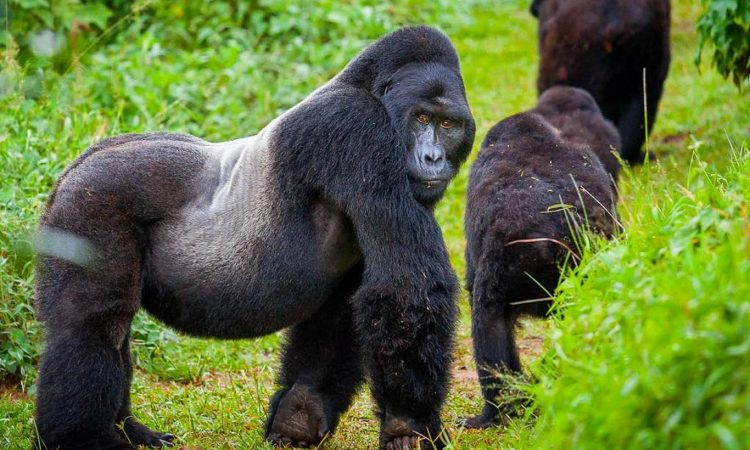
Even if you’re here for everything else, the gorillas are worth understanding, because they’re the reason the rest of the park is protected at all. Mountain gorillas (Gorilla beringei beringei) exist nowhere in captivity and only in two places on Earth: the Virunga Massif and Uganda’s Bwindi Impenetrable Forest.
The story here is unusually hopeful for endangered-species conservation. In the 1980s the entire population had fallen to roughly 250 animals. By the 2018 census the Virunga Massif alone held more than 600, and the latest counts put the global mountain gorilla population at over 1,000 individuals — the most recent Virunga survey recorded around 1,063. On the strength of that recovery, the IUCN downlisted the mountain gorilla from “Critically Endangered” to “Endangered” in November 2018. It remains the only great ape whose numbers are actually rising.
Volcanoes National Park has twelve gorilla families habituated for tourism, each visited by a maximum of eight trekkers per day. That caps the park at 96 gorilla permits daily — and they routinely sell out months ahead during the dry seasons (June to September, December to February). If gorilla trekking is part of your plan, book the permit before anything else and build the trip around it.
How much does a gorilla permit cost?
A gorilla trekking permit in Rwanda costs USD 1,500 per person for international visitors, set by the Rwanda Development Board. That buys you one hour with a habituated family once your trackers locate them. The fee also funds anti-poaching patrols, veterinary care, and a revenue-sharing scheme that channels a share of tourism income into schools, health centres, and infrastructure for the communities around the park. Rwandan and East African citizens, and African residents, pay substantially reduced rates outside the June–October peak — check current promotional pricing with the RDB before you book.
Golden monkeys: the park’s other primate trek
If the gorilla permit is out of budget or sold out, golden monkey tracking is the park’s best-kept secret — and a fraction of the price. The golden monkey (Cercopithecus kandti) is an endangered Albertine Rift endemic with bright orange-gold fur across its back and flanks. Troops here can number over a hundred animals, and they live in the bamboo zone at the foot of the volcanoes.
The experience is faster-paced than gorilla trekking. Golden monkeys are constantly on the move — leaping through bamboo, stripping shoots, chasing each other — so expect an energetic, lively hour rather than the quiet stillness of a gorilla encounter. The trek is also shorter and easier, which makes it a good option if you’re not confident about a long climb at altitude.
Climbing the volcanoes
The five volcanoes give the park its name and its skyline, and three of them are open to hikers of different ambitions. Treks are guided, start from the park headquarters at Kinigi with a 7:00 a.m. briefing, and require reasonable fitness — you’re walking at 2,500 metres and above, where the thin air matters more than the distance.
- Mount Bisoke (3,711 m) — the day hike most people pick. A roughly six-hour round trip rewards you with a stunning crater lake at the summit. The permit costs around USD 75 for foreign non-residents, and the trail passes through gorilla and golden monkey habitat on the way up.
- Mount Karisimbi (4,507 m) — the serious one. The highest peak in the Virungas is a two-day expedition, with an overnight camp around 3,700 m before a tough final summit push. From the top, on a clear morning, you can see across Rwanda, Uganda, and the DRC. The Karisimbi permit is about USD 400 for foreign non-residents.
- Mounts Sabyinyo, Gahinga, and Muhabura. These border peaks offer additional day hikes for those who want quieter trails and panoramic ridge walks.
A two-day Karisimbi attempt needs decent hiking experience and warm, waterproof gear — nights near the summit are genuinely cold. Hiring a porter at the trailhead is inexpensive, eases the climb, and puts money directly into the local economy.
The Dian Fossey memorial hike
One of the park’s most moving experiences has nothing to do with summiting anything. The Dian Fossey memorial hike climbs to the remains of her Karisoke Research Center — the camp she founded in 1967 in the saddle between Karisimbi and Bisoke (the name “Karisoke” fuses the two). Fossey was murdered there in 1985 and is buried beside Digit and other gorillas she had studied and fought to protect.
It’s a moderate half-day trek, starting around 2,500 m and climbing to roughly 3,000 m through Hagenia forest, and the permit is about USD 75. For anyone who has read Gorillas in the Mist or simply wants to understand why these animals still exist, standing at the grave site lands harder than any view.
Birdwatching in the Virungas
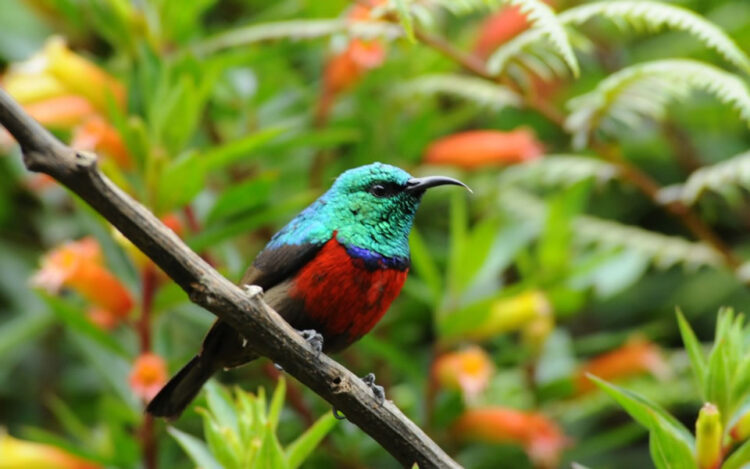
Volcanoes National Park records well over 200 bird species, including a strong list of Albertine Rift endemics that birders travel a long way to see. Highlights include the iridescent Rwenzori turaco, the handsome regal sunbird, the dusky crimsonwing, and the rarely-seen Albertine owlet. The bamboo and forest zones you pass through on a golden monkey trek or a Bisoke climb are prime birding ground, so you don’t necessarily need a dedicated outing to see them — though a specialist guide will find you far more.
Kwita Izina: the gorilla naming ceremony
Every year, usually in early September, Rwanda holds Kwita Izina in the foothills below the park at Kinigi — a public ceremony that names the gorilla infants born over the past year. It borrows from the Rwandan tradition of naming a newborn child in front of the community, and it has grown into a major conservation celebration drawing global figures, artists, and athletes as honorary “namers.”
The numbers tell the conservation story plainly. The 20th edition, held on 5 September 2025, named 40 baby gorillas, bringing the total named since the ceremony began in 2005 to nearly 400. If your visit lines up with it, it’s a vivid, joyful window into why Rwanda’s gorilla conservation has worked.
Meeting the community: the Gorilla Guardians Village
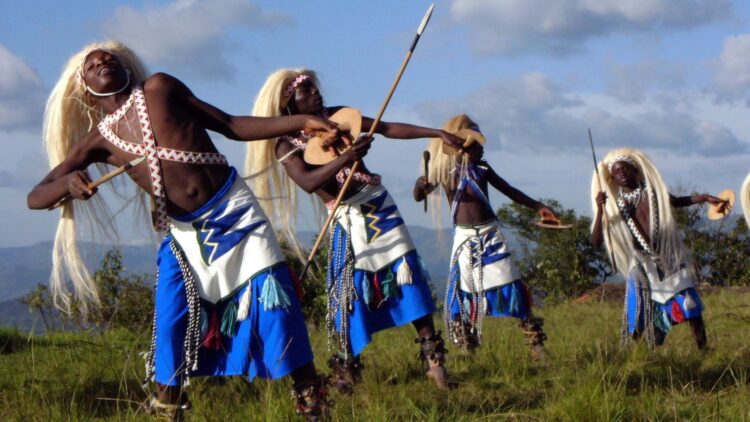
The cultural experience most visitors do here is the Gorilla Guardians Village (formerly Iby’Iwacu Cultural Village, “treasure of our home”), founded in 2004 by Rwandan conservationist Edwin Sabuhoro. Its premise is the part worth knowing: many of the people who run it are reformed poachers. By giving former hunters a livelihood through tourism, the project removed much of the economic pressure that once drove people into the park to kill or trap wildlife.
A visit typically includes traditional Intore dance and drumming, a walk-through of Rwandan home life and farming, and a session with a traditional healer explaining medicinal plants. It can feel staged in places, but the underlying model — where your visit directly funds an alternative to poaching — is real and effective, and the dancing is genuinely good.
Beyond the park gates: lakes and caves
The area around Musanze rewards an extra day or two. The twin lakes of Burera and Ruhondo, framed by hills with the Virunga volcanoes behind them, are an easy and beautiful spot for a canoe trip or a slow afternoon. Nearby, the Musanze Caves — a two-kilometre lava-tube system formed by ancient eruptions — can be explored on a guided walk. Both make natural, low-effort additions to a gorilla or hiking itinerary, and both are far quieter than the park itself.
Sustainable tourism and how the money works
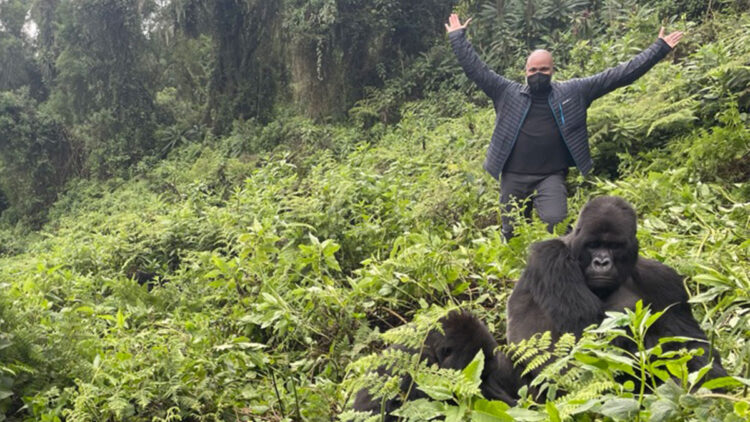
Rwanda’s high-value, low-volume model is deliberate, and it’s the reason the gorillas have recovered. Permits are expensive and strictly limited, group sizes are capped at eight, time with the gorillas is held to one hour, and you stay a regulated distance back — a rule that matters because the gorillas share enough of our DNA to catch human respiratory illnesses. Trekkers showing cold or flu symptoms can be turned away to protect the animals.
A share of park revenue is reinvested directly in surrounding communities, which gives local people a tangible stake in keeping the gorillas alive. It’s not a perfect system, and human-wildlife conflict on the park’s edges is an ongoing challenge, but the trajectory — a population that has more than tripled since the 1980s — speaks for itself.
Is Volcanoes National Park worth visiting beyond gorilla trekking?
Yes — and the smarter way to plan is to treat the gorilla hour as the centrepiece of a three-or-four-day trip rather than a day excursion. Pair the gorillas with golden monkey tracking and a Bisoke crater-lake climb, set aside a half-day for the Dian Fossey hike, and add a slow afternoon on Lake Burera or in the Musanze Caves. Done that way, the long flight and the steep permit stop feeling like a transaction for sixty minutes and start feeling like what they actually are: access to one of the last great mountain wildernesses on the continent.