
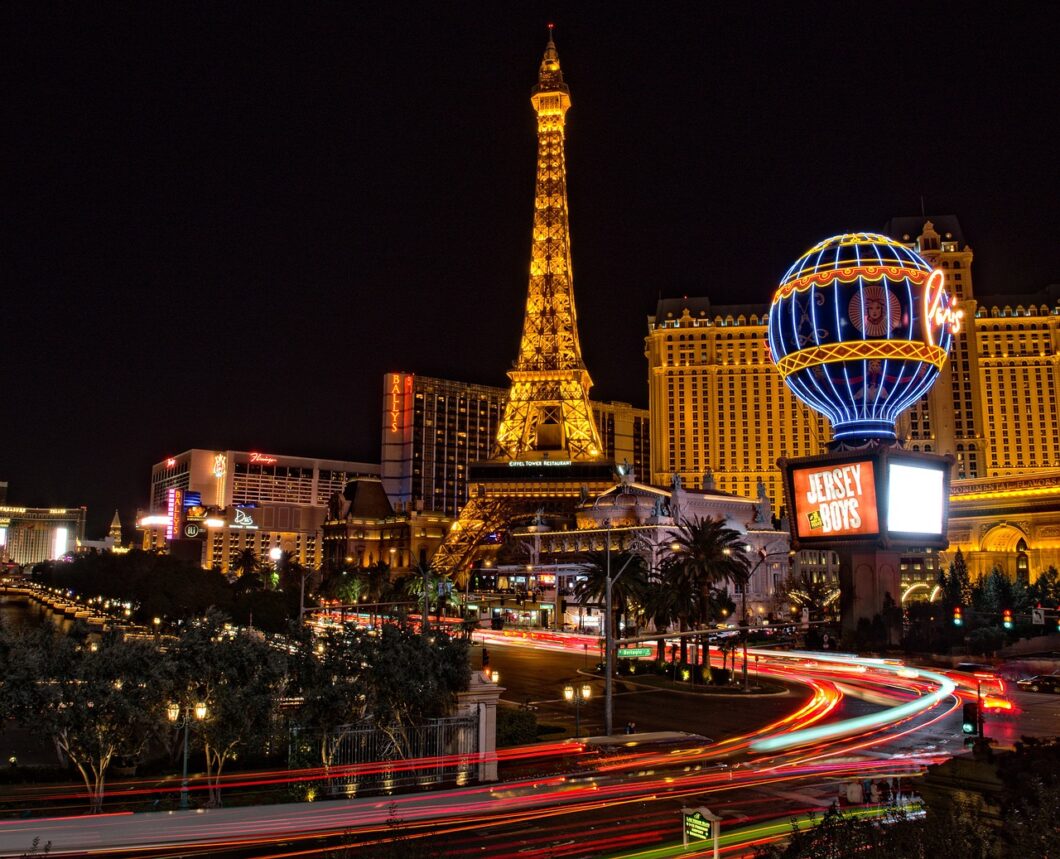
The casino floor was never just about the cards. For decades, the global gambling industry has been quietly engineering something far more complex than a night at the roulette table — entire cities built around the promise of spectacle, luxury, and world-class entertainment. Today, that promise is backed by serious economic weight: the global casino tourism market was valued at approximately $61.4 billion in 2024 and is projected to reach $103.9 billion by 2034, driven by a steady 5.4% annual growth rate.
What’s fueling that growth isn’t primarily gambling. It’s everything around it — the Michelin-starred restaurants, the A-list residency concerts, the architectural landmarks, the curated cultural programming that fills the hours between sessions at the tables. Understanding that distinction is the key to understanding why casino destinations have become some of the most visited places on earth, and where they’re headed next.
The Global Casino Tourism Boom: By the Numbers
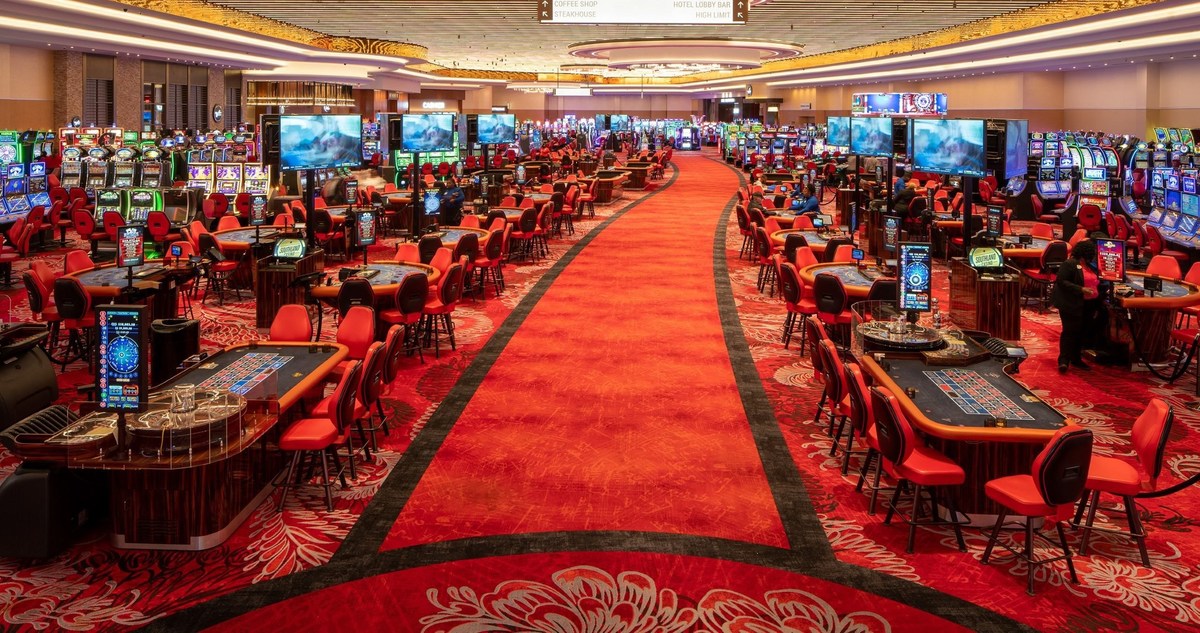
The numbers behind casino tourism resist a tidy single figure, partly because different research firms define the category differently. But the directional story is remarkably consistent: casino resorts have become pillars of national tourism economies, not just entertainment venues tucked away in the entertainment district.
Singapore’s two integrated resorts — Marina Bay Sands and Resorts World Sentosa — contributed roughly 2% of the country’s GDP in 2024. Macau drew close to 35 million visitors that same year and generated $28.3 billion in casino revenue, a 24% jump year-on-year. Research also suggests that destinations anchored by major casino resorts see average tourist spending climb by around 52% compared to comparable destinations without them — a figure that explains why so many governments now view casino licensing as a tourism-infrastructure decision rather than a purely moral one.
The employment effect is similarly hard to dismiss. A single large integrated resort typically employs thousands of workers across hospitality, entertainment, food and beverage, retail, and security — and those jobs ripple outward into the surrounding regional economy well beyond the resort’s own walls.
Las Vegas: Still the Benchmark, But the Goalposts Have Moved
Las Vegas drew 41.7 million visitors in 2024. Of those, 78% gambled during their stay. And yet gaming accounted for only about 26% of Las Vegas Strip casino income that year — with the rest coming from hotel rooms, restaurants, entertainment, and retail.
That shift has been building for years. The average visitor in 2024 spent $1,322 total on their Las Vegas trip, of which only $244 went to gaming — roughly 18 cents of every dollar. Shopping, food and drink, and live entertainment collectively outpaced gambling by a significant margin. The city that once sold itself purely on the strength of its casinos now competes on Formula 1 street races, NFL games, boxing cards, and restaurant names that people build entire trips around.
2025 told a more complicated story. Visitation fell to approximately 38.5 million — the first meaningful post-pandemic decline — yet Strip gaming revenue nudged to a new record of $8.82 billion. Fewer visitors, gambling more, spending more per head: the customer mix is shifting toward premium travelers rather than widening toward a mass audience. Whether that’s a deliberate strategy or a symptom of broader economic pressures is something the city is still working out.
Macau’s Resurgence — and What Comes Next
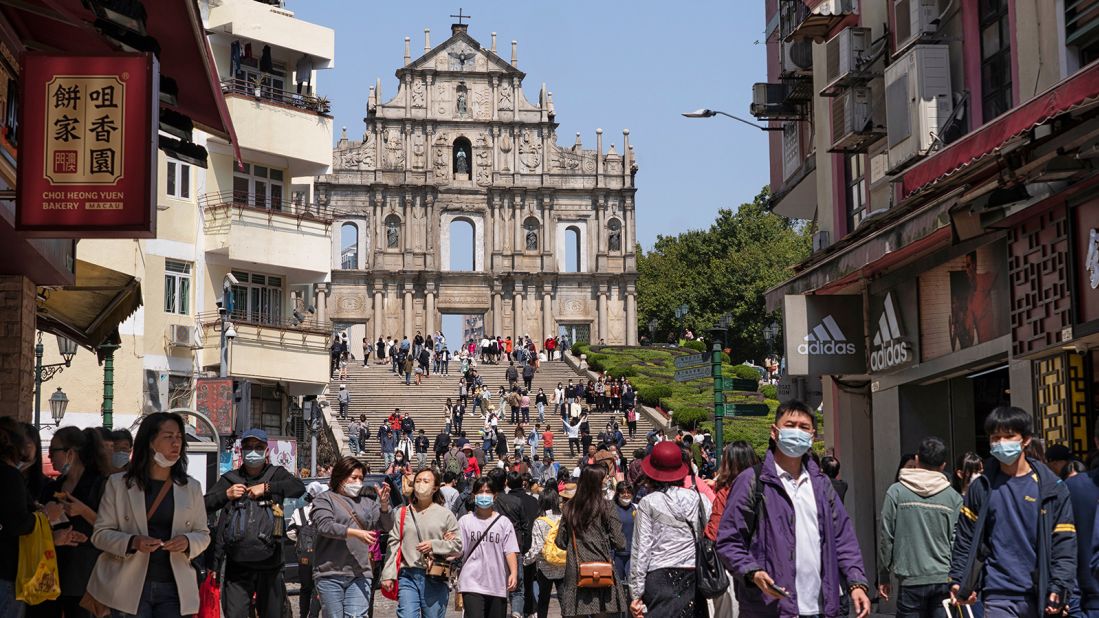
Macau spent three years in a pandemic-induced collapse before borders reopened fully in early 2023. The rebound since has been striking: $28.3 billion in gaming revenue across 2024, with visitor arrivals approaching 35 million. Hotel occupancy averaged above 90% through the first half of 2025, and gaming revenue for that period climbed a further 4.4% year-on-year — even as those figures remain below Macau’s 2019 pre-pandemic peak.
The ongoing story in Macau isn’t purely recovery — it’s deliberate transformation. The territory’s government and its six licensed operators have been actively diversifying toward non-gaming attractions: international concerts, sporting events, MICE (meetings, incentives, conferences, exhibitions), and family-oriented entertainment. The Cotai Strip’s integrated resorts have led that push, with properties like Galaxy Macau and Studio City featuring ice rinks, IMAX theaters, and sprawling retail alongside their gaming floors.
What gives Macau a genuine edge over any other casino destination is its layered identity. The old Macau — narrow streets, Portuguese colonial architecture, the century-old Casino Lisboa — coexists with the glittering Cotai Strip. Visitors who spend a few days can move between two entirely different versions of the same city, something that Las Vegas’s manufactured streetscapes can’t replicate and Singapore’s dense urban resort footprint doesn’t attempt to.
Singapore’s Integrated Resort Model: The Template the World Is Copying
No destination has done more to shape how governments think about casino licensing than Singapore. When Marina Bay Sands and Resorts World Sentosa opened in 2010, they demonstrated that a tightly regulated casino duopoly — embedded within broader integrated resorts — could deliver tourism economics that far exceeded the gambling revenue alone. Marina Bay Sands has welcomed more than 500 million visitors since opening.
Both Singapore resorts are currently mid-expansion. Marina Bay Sands secured a $9 billion loan to fund a new tower and facility upgrades, with construction scheduled to begin in mid-2025 and complete by 2029. These investments aren’t pure bets on gambling demand — they’re bets on Singapore’s position as Asia’s premier MICE and luxury travel hub.
The Singapore framework — strict entry levies for citizens and permanent residents, capped gaming areas relative to total floor space, mandatory investment thresholds in non-gaming attractions — has become the reference point that Japan is now working from as it advances its own integrated resort program. The model travels because it demonstrably works: high visitor spending, diverse revenue streams, and relatively limited social harm compared to unregulated markets.
From Macau to Monte Carlo: What Each Destination Actually Offers

Casino tourism is not a monolithic experience. Macau, Monte Carlo, Las Vegas, and Singapore each attract different travelers and deliver fundamentally different things. Knowing the differences before you book makes for a much better trip than arriving with the wrong expectations.
- Macau delivers the world’s highest concentration of gaming tables alongside genuine historical and cultural depth. The Historic Centre of Macau is a UNESCO World Heritage Site. The local food scene — a product of Portuguese and Cantonese culinary crossover developed over four centuries of coexistence — is unlike anything else in Asia and worth the visit on its own.
- Monte Carlo is the smallest major casino destination by area, which shapes everything about how it feels. The Casino de Monte-Carlo is a 19th-century Belle Époque landmark where the atmosphere is as much the draw as the games. The surrounding principality offers superyacht harbors, the Monaco Grand Prix circuit, and easy access to the French Riviera. It caters to a distinctly European idea of elegance — smaller tables, more formal codes, a slower pace than anything you’ll find on the Strip.
- Las Vegas competes on scale and variety. No other destination packs as many entertainment options — major sports, headline concerts, world-class restaurants, arena shows — into a single walkable corridor. The gaming floors themselves have become almost incidental to many visitors’ trips.
- Singapore is the most family-inclusive of the major casino destinations, partly because the resorts were designed around Universal Studios, an aquarium, and extensive family programming. The gaming areas are present but physically separated, and entry levies for citizens help keep those floors primarily populated by international visitors.
The Next Frontier: Japan, the UAE, and Where Casino Tourism Is Expanding
Two markets are drawing the most serious attention from casino developers right now — and neither has opened its first legal casino yet.
Japan’s integrated resort framework has been advancing slowly since gaming was legalized in 2018. MGM Osaka, a $3.92 billion project developed jointly with Orix Corporation, is the furthest along and targets an opening around 2030. A second licensing round is expected to open in 2027, with Tokyo and Hokkaido among the candidate locations. Japan is closely watched because the country already draws tens of millions of international visitors annually — adding world-class integrated resorts to that base could substantially shift Asia’s tourism balance of power.
The UAE is on a similarly significant trajectory, though the geography matters here. Despite its reputation for luxury tourism, gambling remains illegal in Dubai and across most of the country. The shift is happening elsewhere in the UAE: in 2024, Wynn Resorts received the UAE’s first commercial gaming operator license for a project on Al Marjan Island in Ras Al Khaimah. The planned Wynn Al Marjan Island resort will include a casino floor spanning 224,000 square feet and is expected to open in 2027. If the first property succeeds, further regulatory liberalization across the UAE seems likely.
What to Know Before Planning a Casino Destination Trip
A few practical realities that apply regardless of which destination you choose:
- Treat gambling as a cost, not an investment. Set a gaming budget before you arrive and approach it the way you’d approach a concert ticket — money spent for the experience, not expected back. The house edge is real, it compounds over hours of play, and the vast majority of casino visitors finish down on the session.
- Gambling regulations vary by country and sometimes by property. Minimum ages range from 18 to 21 depending on the destination. Singapore requires citizens and permanent residents to pay a mandatory entry levy just to access the gaming floor. Some jurisdictions restrict specific game types. Check the rules for your specific destination before you arrive rather than on the casino floor.
- The non-gaming calendar often drives the best timing decisions. Major casino destinations now build their programming calendars around concerts, sporting events, culinary festivals, and conventions. Checking what’s on during your travel window — and booking accommodation early when a major event coincides — can make a significant difference to both the trip and the room rate.
- VIP programs reward loyalty over time, not first visits. Tiered rewards programs exist at every major property, but the genuinely valuable benefits accumulate across multiple stays. For a first visit, focus on the property’s publicly available amenities rather than banking on a loyalty program to cover much.
- Research responsible gambling resources before you go. Every major casino destination now operates self-exclusion schemes and problem gambling support services. Knowing where those resources are before you arrive — not after a difficult session — is simply good planning.
Frequently Asked Questions
Which city generates the most casino revenue in the world?
Macau. The territory generated $28.3 billion in casino gross gaming revenue in 2024, well ahead of the Las Vegas Strip’s $8.82 billion. Despite still sitting below its 2019 pre-pandemic peak, Macau holds the top position by a wide margin.
Is casino tourism growing globally?
Yes, with some regional variation. The global casino tourism market is forecast to expand from around $61.4 billion in 2024 to over $100 billion by the mid-2030s. Individual destinations have had mixed recent trajectories — Las Vegas saw visitation dip in 2025 while Macau’s continued to climb — but the overall direction is growth, driven by new resort openings in Asia and the first licensed casino in the UAE opening in 2027.
Do you have to gamble at a casino resort?
No. At virtually every major integrated resort, the casino occupies a fraction of the total floor space, and all other amenities — restaurants, pools, spas, entertainment venues, retail — are open to guests who never set foot on the gaming floor. Many visitors to Las Vegas, Macau, and Singapore never gamble at all.
Does Dubai have casinos?
No. Gambling is currently illegal in Dubai and across the broader UAE. The UAE’s first licensed casino will be Wynn Al Marjan Island in Ras Al Khaimah — a separate emirate — which is expected to open in 2027. Several Dubai hotels carry casino brand names (Caesars Palace, for instance), but those properties operate without any gaming facilities.